
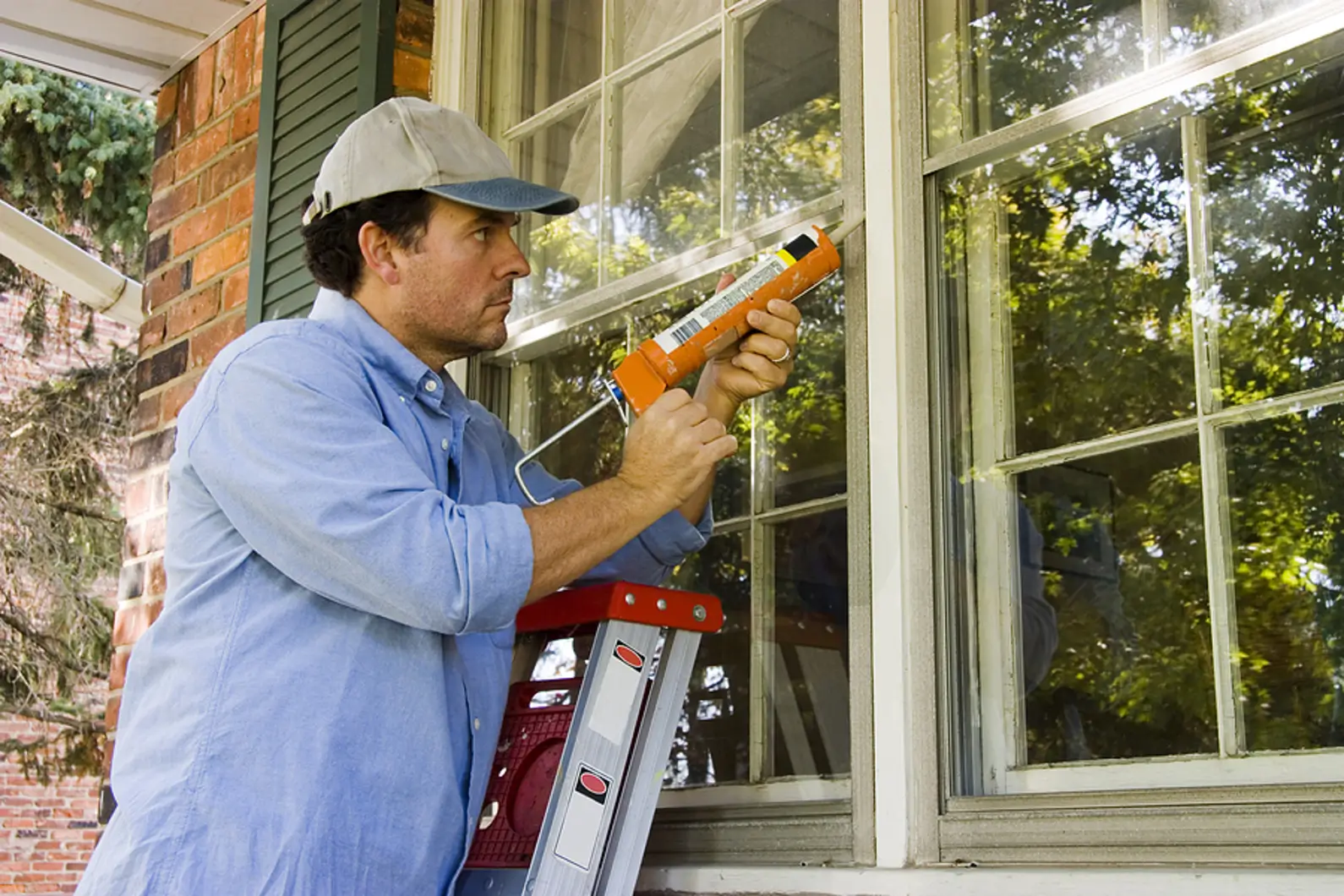
Recurring maintenance problems rarely feel urgent in the beginning. A drain gets cleared. A switch gets replaced. An HVAC issue seems resolved. Yet when the same concerns show up again weeks or months later, the pattern starts to tell a different story. As we’ve discussed in our insights on tenant behavior warning signs, repeated patterns inside a rental often signal something deeper beneath the surface.
In Charleston, SC, climate conditions add another layer of pressure. Coastal air, steady humidity, and seasonal heat affect plumbing, wiring, and cooling systems year-round. At PMI Rainbow Row, we help you identify what repeated repairs really mean so you can protect your property from ongoing inefficiencies.
Key Takeaways
- Repeat repairs usually point to unresolved system issues
- Quick fixes increase long-term maintenance expenses
- Delaying upgrades often leads to a higher breakdown frequency
- Recurring problems reduce tenant trust and renewal rates
- Proactive oversight stabilizes rental performance
When Repeat Repairs Signal Something Bigger
One maintenance call does not raise concern. Even two may seem manageable. Once the same issue appears multiple times, it deserves closer review.
Plumbing clogs that return may reflect buildup deeper in the lines or outdated piping. HVAC systems that struggle repeatedly often indicate aging equipment or improper sizing. Electrical outlets that fail again can signal wiring stress or corrosion.
Charleston’s humid environment accelerates wear, especially in older homes. Salt air exposure and moisture intrusion can quietly degrade systems. Without examining the root cause, surface repairs rarely hold for long. Through our structured maintenance service support, we focus on identifying long-term solutions rather than repeating short-term fixes.
Early Indicators That Should Not Be Ignored
- The same unit submits identical repair requests within a year
- Appliances fail shortly after being serviced
- Breakers trip repeatedly in the same rooms
- Cooling systems require frequent seasonal attention
These patterns often reveal deeper inefficiencies that affect both performance and cost control.
The Financial Weight of Recurring Maintenance
A single repair invoice may seem minor. When similar invoices appear month after month, the impact grows.
The U.S. Census Bureau reports that median monthly housing costs reached $2,035 in 2024. Rising ownership expenses leave less room for inefficiency. Repeated maintenance spending directly reduces net returns.
On a national scale, housing repair needs reached $198.4 billion in a single year. Much of that figure reflects ongoing, unresolved maintenance cycles rather than isolated repairs.
Why Temporary Fixes Cost More Over Time
Each service visit includes labor charges, vendor coordination, scheduling time, and materials. Repeating that process for the same issue often costs more than resolving the underlying problem once.
Hidden expenses include:
- Administrative time spent coordinating repeat vendors
- Increased emergency service premiums
- Tenant inconvenience that impacts retention
- Wear caused by recurring breakdowns
Understanding how maintenance decisions affect profitability is critical. Our ROI performance calculator allows you to evaluate how repair patterns influence long-term returns.
Delaying Replacements Creates Instability
Replacing aging equipment often feels expensive. Continuing to repair it may seem easier in the short term. Yet repeated breakdowns increase unpredictability.
Charleston properties face constant humidity stress. HVAC units work harder for longer seasons. Electrical systems endure heavier cooling loads. Plumbing lines encounter mineral buildup from coastal conditions. As systems age, they require more attention.
Signs It May Be Time to Replace
- Repair costs accumulate within a short period
- Equipment exceeds its manufacturer's life expectancy
- Energy bills increase steadily
- Emergency breakdowns occur during peak demand
Strategic upgrades reduce future service calls and improve reliability. Through coordinated project management oversight, we help you manage larger improvements that stabilize operations and protect asset value.
The Tenant Experience Matters More Than You Think
Tenants expect issues to remain resolved once addressed. When the same problem returns, it affects perception.
Even when repairs are handled promptly, repetition creates frustration. Tenants may feel uncertain about overall property reliability. Over time, dissatisfaction can influence renewal decisions.
Clear communication and dependable follow-through strengthen relationships. Our discussion on clear tenant communication explains how consistent handling of concerns builds long-term trust.
Warning Signs of Declining Tenant Confidence
- Repeat complaints referencing prior repairs
- Frustration in maintenance requests
- Questions about long-term reliability
- Hesitation during lease renewal discussions
When tenant confidence declines, turnover risk increases.
Turnover Costs Multiply When Problems Persist
Recurring repairs influence more than maintenance budgets. They affect occupancy stability.
Vacancy periods create income gaps. Marketing expenses rise. Move-in preparation adds new costs. Frequent turnover also accelerates property wear.
Stabilizing maintenance reduces those risks. Reviewing performance data can clarify where recurring issues are affecting retention. Requesting a complimentary rental review provides insight into how maintenance efficiency impacts your Charleston rental’s income potential.
For broader planning guidance, our owner support resources outline how proactive management strengthens long-term investment outcomes.
Building a Proactive Maintenance Strategy
Breaking the repair cycle requires structured oversight. Instead of reacting to service calls, proactive management identifies patterns early.
Effective strategies include:
- Tracking repair frequency by system and unit
- Reviewing vendor reports for recurring root causes
- Scheduling preventative maintenance inspections
- Evaluating upgrade timing before failure occurs
- Comparing repair costs against replacement value
Charleston rentals benefit from seasonal planning due to climate demands. HVAC inspections before peak heat, plumbing checks after heavy rain, and electrical assessments in older properties reduce surprises.
Proactive coordination creates stability. It also protects your reputation with tenants who value reliability.
How Professional Oversight Changes the Outcome
Individual repairs may appear manageable when viewed separately. Professional management evaluates them collectively.
We track service history, analyze trends, and coordinate trusted vendors. Instead of repeating minor fixes, we investigate underlying causes. That approach reduces emergency calls and improves overall system performance.
Charleston’s competitive rental market favors properties that operate smoothly. Stability attracts long-term tenants and supports predictable cash flow.
FAQs about Recurring Repairs in Charleston, SC
How can I tell if recurring repairs indicate a serious issue?
If the same problem occurs multiple times within a year, especially in the same system or area, it likely signals an unresolved root cause rather than routine wear and tear.
Do Charleston’s coastal conditions increase repair frequency?
Yes. Humidity, salt air, and seasonal heat place added strain on HVAC units, electrical components, and plumbing systems, which can accelerate deterioration if not monitored properly.
Is it better to repair or replace aging systems?
When repair costs accumulate quickly or equipment exceeds its expected lifespan, replacement often provides greater reliability and long-term savings compared to repeated short-term fixes.
Can recurring maintenance issues affect tenant retention?
Repeated disruptions reduce tenant confidence. Over time, frustration about unresolved problems may influence renewal decisions and increase turnover risk.
How does proactive management reduce repeat repairs?
By tracking service patterns, scheduling preventative maintenance, and addressing root causes instead of symptoms, proactive oversight reduces recurring breakdowns and improves operational stability.
Ending the Repair Cycle with a Smarter Approach
Repair patterns often reveal more than a single service ticket ever could. When the same problems keep returning, they point to inefficiencies that slowly reduce returns and frustrate tenants. Looking at the full maintenance picture, rather than reacting to each isolated issue, creates better long-term outcomes.
At PMI Rainbow Row, we focus on long-range planning that strengthens Charleston rental performance. By reviewing service history, coordinating experienced vendors, and timing upgrades strategically, we help you move away from repeat disruptions and toward dependable operations.
If recurring service calls are starting to affect your property’s rhythm, it may be time to shift direction. Strengthen rental performance today with support from PMI Rainbow Row and position your Charleston investment for steady, long-term results.