
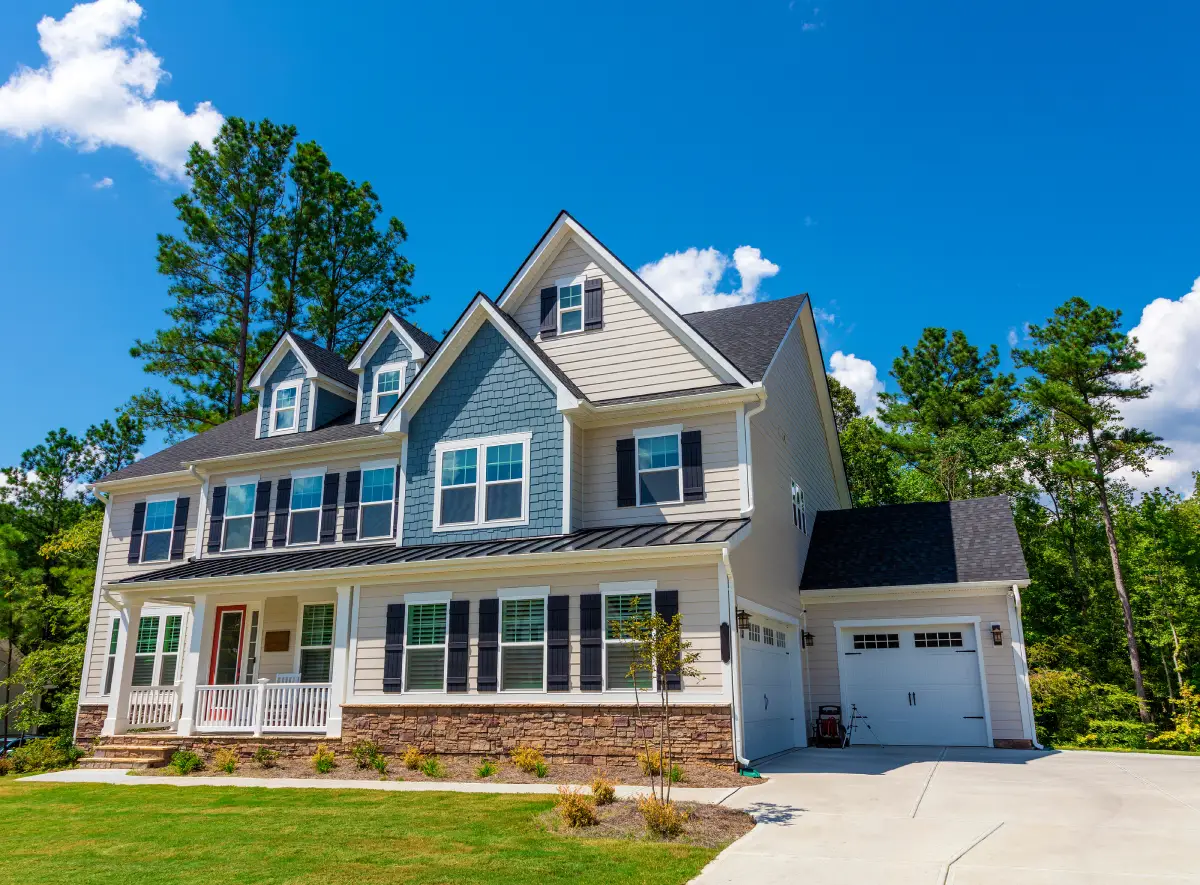
In Charleston, using an estimate your returns before you buy can quickly reveal which rentals will feel manageable and which ones will keep pulling you into daily fires. Property type plays a big role in that difference. Single-family homes and multifamily units may both generate income, yet their day-to-day realities aren’t remotely the same.
Multifamily ownership can look efficient on paper, especially when you’re thinking about scale. In practice, shared systems, overlapping resident needs, and constant coordination can turn “more doors” into more moving parts. Single-family homes typically cut out the friction, giving you cleaner operations, stronger pricing control, and a tenant experience that often supports longer stays.
Below, we’re breaking down why single-family homes remain a favorite for residential investors in Charleston, plus how we help you translate those advantages into a smoother, more profitable rental plan.
Key Takeaways
- Single-family homes usually mean fewer resident conflicts and fewer day-to-day interruptions.
- Private outdoor space supports tenant satisfaction and can improve renewal rates in Charleston.
- Layout flexibility helps rentals stay relevant as household needs shift.
- Pricing is often easier to manage because competition looks different than in apartment buildings.
- Repairs and risk planning tend to be simpler when one household uses one set of systems.
Privacy That Cuts Down on Noise and Neighbor Issues
Single-family rentals reduce the kinds of problems that show up when multiple households share walls and common areas. That matters because many management headaches start with shared space.
With a detached home, tenants aren’t dealing with hallway traffic, stairwell noise, or neighbors living on the other side of a thin wall. Fewer friction points often lead to fewer complaints, fewer “can you talk to them” messages, and fewer small disputes that still consume your time.
Less density, fewer interruptions
Lower density changes the pace of management. One household usually means fewer moving schedules, fewer guest-related concerns, and fewer overlapping service requests. You can plan ahead, respond faster, and keep your operations consistent.
Outdoor Space That Makes Renewals Easier in Charleston
Charleston renters often care about lifestyle as much as location. Single-family homes match that preference with yards, porches, driveways, and private outdoor areas that apartments struggle to replicate.
A home with outdoor space can feel like a lifestyle upgrade, which influences renewal decisions. It also broadens your applicant pool, especially when you’re open to pet-friendly renters.
Here are a few ways outdoor space creates practical value:
- Tenants can relax outside without managing shared courtyards or neighbor rules.
- Pet owners get space that supports daily routines.
- Families gain room for play, storage, and weekend gatherings.
If you’re trying to decide whether a home will compete well as a rental, running a get a rent checkup can help you see how features like outdoor space translate into rent potential and demand.
Floor Plans That Stay Useful as Life Changes
Single-family homes often win on flexibility. That’s a big deal in a market where renters may shift from commuting to remote work, add a family member, or need an extra room without wanting to move.
Start with the basics, more bedrooms and clearer separation between living spaces. Add in bonus rooms, finished spaces, and dedicated dining or office areas, and you get a property that can keep fitting a tenant’s life for years.
Why flexibility reduces turnover
Turnover rarely comes from one single issue. More often, the home simply stops fitting the tenant’s needs. A layout that can stretch and adapt can keep a lease in place longer, which lowers vacancy exposure and leasing costs over time.
If you’re weighing whether to hold a home as a long-term rental or pivot to another strategy, using a compare rent vs sell can help you see the tradeoffs clearly before you commit.
Pricing Power Without “Same-Building” Competition
Multifamily rentals can create their own pricing pressure. When several nearly identical units sit in the same building, one vacancy can trigger discounting across multiple listings. That internal competition often forces quick adjustments that don’t always align with your long-term goals.
Single-family rentals compete differently. The comparable set is usually a smaller group of nearby homes, each with distinct features, finishes, and lot characteristics. That gives you more room to price strategically based on what your property offers.
National trends reinforce how strongly detached housing continues to perform. The National Association of REALTORS® reported a median existing single-family home price of $426,800 in the third quarter of 2025, a signal that demand for single-family housing remains resilient.
Maintenance That’s Easier to Predict and Budget
Maintenance gets more complicated when systems are shared. Multifamily properties often rely on interconnected plumbing runs, coordinated HVAC setups, and common-area infrastructure that can trigger multiple complaints from one failure.
Single-family homes usually isolate issues to one household, which simplifies diagnosis, scheduling, and cost planning. You’re managing one kitchen line, one HVAC system, one electrical panel, and one set of appliances. When something breaks, access is straightforward and the repair plan is contained.
Financial clarity supports calmer decisions
Predictability improves cash flow management. When your maintenance profile is easier to anticipate, you can create a cleaner reserve strategy and make smarter upgrades.
We also support owners who want cleaner financial oversight through clean income tracking, so income, expenses, and performance stay organized and easy to review.
Risk Planning That’s Cleaner for Residential Ownership
Insurance and liability are often more straightforward with single-family rentals because you’re not dealing with the same shared exposure you see in larger buildings. Fewer shared areas can mean fewer scenarios involving common spaces, joint systems, or multi-tenant disruptions.
That simplicity doesn’t remove the need for smart planning, especially in coastal South Carolina where weather considerations matter. It does, however, make it easier to align coverage, maintenance standards, and resident policies with the way the home actually functions.
For owners who value clarity and consistency in operations, it can also help to see our guarantees so you understand how we support performance and accountability throughout the rental cycle.
Demand Signals That Favor Single-Family Living
Renter preferences have shifted toward space, privacy, and comfort. That’s especially noticeable for households balancing work-from-home schedules, family routines, and the desire for a quieter environment.
Public market reporting points to the same trend. Zillow has noted single-family rents are 20% higher than multifamily rents, highlighting how renters are valuing the single-family experience across many markets.
Charleston’s appeal adds another layer. When people relocate for lifestyle, school options, or a different pace, they often seek a home that feels settled. That steady preference supports strong tenant demand for well-located single-family rentals.
FAQs about Single Family Homes in Charleston, SC
What types of tenants usually rent single-family homes in Charleston, SC?
Many applicants include families, remote professionals, and long-term renters who want quieter living, private outdoor space, and a neighborhood feel that’s harder to find in large apartment communities.
Do single-family homes in Charleston, SC sit vacant longer than apartments?
Vacancy can be very competitive for well-positioned homes because they don’t face the same “identical unit” competition, especially when the property is priced correctly and presented well.
Are single-family rentals in Charleston, SC easier to maintain than multifamily units?
Repairs are often simpler because one household uses one set of systems, which reduces coordination issues, access complications, and the ripple effect of a shared system failure.
Do single-family homes in Charleston, SC typically get longer lease renewals?
They can, since space, privacy, and flexible layouts often match changing household needs, which makes moving feel less necessary when the home continues to fit daily routines.
How can owners price single-family rentals in Charleston, SC more confidently?
Owners typically rely on neighborhood comparables, property condition, and features like outdoor space, parking, and layout, then adjust based on seasonality and demand in the immediate area.
Turn Charleston Demand Into a Smoother Rental Business
Single-family homes give residential investors a more controlled path to performance in Charleston, from quieter operations and simpler maintenance to stronger pricing flexibility and tenant comfort. When the goal is stable income without constant friction, the structure of the asset matters.
At PMI Rainbow Row, we manage residential rentals with a focus on consistent results and a better owner experience. If you’re ready to tighten up your strategy, schedule your owner strategy call through our owner services page and let’s map out what performance should look like for your home.